
Menu
Close
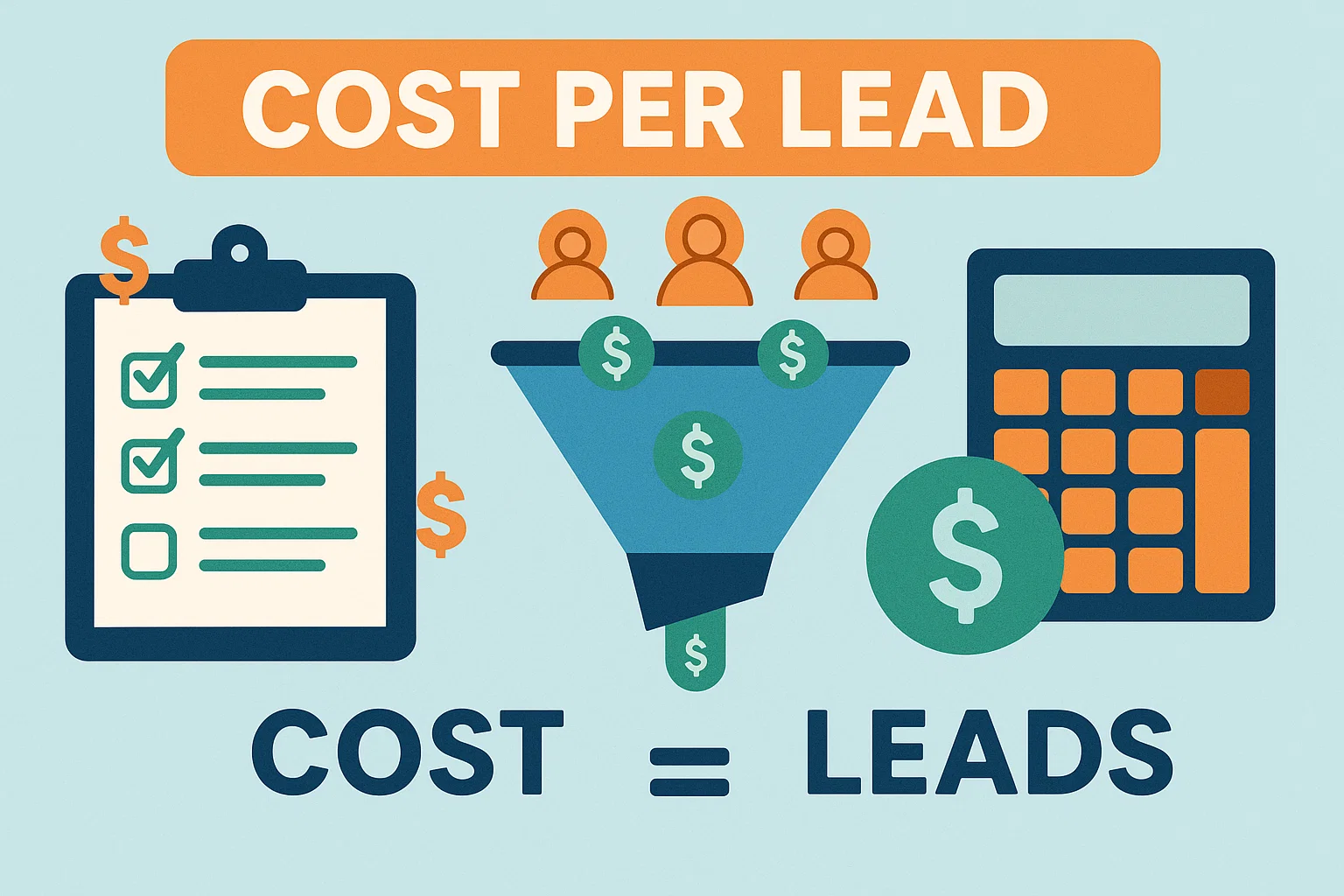
If you’re a local business running paid ads on Google or Facebook, Kijiji, one simple decision can make or break your success: when you run them. Timing isn’t just a small detail, it directly affects how much you pay for each customer and how much long-term value you get out of every lead.
Let’s break it down with some real-world examples, of course your industry may be different and would require market research.
Imagine you run a lawn care company, and you decide to start advertising in February. You spend $100 on ads to promote lawn mowing services.
What happens?
Probably not much.
People aren’t thinking about mowing their lawns in February. There’s snow on the ground in most of Canada, and yard work isn’t on anyone’s mind yet. As a result, you might get 1 lead if that.
That’s not a smart way to spend your ad budget.

Now, take the same $100 and run the exact same ad in May, when the sun is out, grass is growing like crazy, and everyone is ready to hire someone for lawn care.
This time, your ad brings in 40 to 70 leads.
Let’s go with the middle 55 leads.
That’s a massive difference.
In February, you’re paying $100 per lead.
In May, you’re paying less than $2 per lead.
Let’s say you run that same $100 ad in August.
You may still get a decent response maybe 30 to 40 leads because people are still getting lawn care, but it’s late in the season.
The problem? You may only get one or two months of service out of those customers before the season ends.
So, does it make sense?
Only if you have a plan to:
If each of those services earns you $100–$300, suddenly that August ad is worth it again.
Advertising is not just about getting leads, it’s about getting the right leads at the right time.
If you’re going to spend money on paid ads, make sure you’re not just chasing leads, you should also be thinking about how to keep and grow those leads into long-term clients.
Paid ads only work if they’re done smart. Spending your budget in the wrong month can cost you way more per lead or leave you with short-term clients. But with the right timing and a plan to retain or resell, your ad budget can stretch further and bring in real value.
Need help planning the right time to advertise—and how to turn one-time leads into long-term customers? Contact us at azbrand.ca. We’ll help you build smart ads that actually grow your business.

Whether you run a local café in Bridgeland, a mobile landscaping business in the south, or a boutique in Inglewood — one thing’s clear: attracting new customers is the heartbeat of any Calgary small business. But how do you stand out in a busy, competitive city?
Here are 12 local-focused, proven ways to grow your customer base — with an added bonus on how to run promotions the smart way.
If you want a printable version of this checklist to make this process easier to keep track of, it can be found here
Calgarians rely heavily on reviews — especially when choosing a new hairdresser, mechanic, or massage therapist. Ask satisfied customers to leave you a review on Google or Yelp, and include a quick link in a follow-up email. Then showcase your reviews on your website, store signage, and social channels. People trust people — let your happy customers do the selling.
Partnering with a business that shares your customer base (but not your product) is a great way to reach new audiences. For example, a local gym might team up with a healthy meal prep company to offer bundled discounts. This kind of cross-promotion is a win-win — and it doubles your reach overnight.
Short videos, behind-the-scenes photos, “how-to” reels, or customer testimonials — they all work. Keep it real and local. A landscaping company can post lawn tips for Calgary’s dry climate. A bakery can show off its daily fresh bakes. Over time, this builds a familiarity that turns into trust, and trust turns into customers.
It costs more to get a new customer than to keep one — so why not do both? Offer first-time customers an incentive to come back. A digital punch card, a points system, or just a “10% off your third visit” offer is enough. Keep it simple and easy to redeem.
Whether it’s “First 3 Dog Walks for $25” or “$10 Off Your First Order in Calgary,” tailor your promotions for new customers only — and let them know this offer is just for them. It lowers the barrier to entry and makes trying your service feel like a no-brainer.
Your website should sell while you sleep. Make sure it’s mobile-friendly, loads fast, and includes your hours, reviews, location, and a simple way to contact or book you. If it’s been more than 2 years since your last update, consider a refresh. Calgarians are online — your site should be, too.
One of the best ways to gain new business is through your current happy customers. Instead of hoping they refer you, make it easy. Offer a small reward for each successful referral, such as a discount or a freebie. Even a “refer a friend and get $10 off” campaign can lead to massive word-of-mouth exposure.
Whether it’s setting up a booth at the Calgary Night Market, sponsoring a youth soccer team, or donating to local food banks, showing up in your community builds visibility. People love supporting businesses that care about Calgary. When they see you involved, they’re more likely to remember you — and buy from you.
The simplest way to multiply your audience? Let your customers do the inviting. Offer “bring a friend” deals like “Buy One, Get One Free” or “50% off your friend’s first visit.” These promos are low-cost and often lead to a wave of new business.
Don’t let past clients fade away. Reach out with a quick “We miss you!” message and a special offer to bring them back. It could be a reactivation discount or a simple check-in email. A little nudge can revive an old relationship — especially if their original experience with you was great.
Whether in-person or virtual, sharing your knowledge builds authority and trust. A Calgary dog trainer might host a “Free Puppy 101 Class,” or a financial planner could offer a free budgeting webinar. These sessions give potential customers a taste of what you offer — and make you the go-to expert.
Get involved with local business groups like Calgary Chamber, Startup Calgary, or your community’s BIA (Business Improvement Area). Attend meetups, show up at mixers, and introduce yourself. When people know who you are, they’re more likely to support your business — or recommend it.
Sales work — but how you frame them is the real game-changer.
Use dollar-based discounts.
Dollar discounts feel more tangible and valuable, especially for big-ticket items.
Use percentage discounts to make them feel more exciting.
People mentally overvalue percentages when the actual dollar amount is small.
Always run sales with a time limit, or tie them to local events like Family Day, Stampede Week, or the Holiday Season — this urgency increases conversion.
Attracting new customers in Calgary isn’t about gimmicks — it’s about building trust, offering value, and showing up where people are already looking. Try out 2–3 of these strategies this month and track what works. Small changes can lead to big wins.
Want help designing your next promo, referral program, or sales campaign? Let’s brainstorm together — Calgary has no shortage of opportunities.

Running a small business in Calgary means navigating a vibrant yet competitive marketplace. With strong local economies and tight-knit communities, standing out from the crowd can be challenging and requires a marketing strategy that speaks directly to your audience and embraces your city’s unique identity
Whether you’re a boutique shop on 17th Avenue a tech startup in Calgary’s Beltline, or a renovation pro serving Cochrane and Okotoks, these result driven strategies will help you attract attention, build trust, and grow your customer base across Alberta’s most dynamic communities.

Local marketing works because it meets your audience where they already are searching for services nearby, scrolling social feeds, and engaging with brands that feel authentic and involved in their community. If your business isn’t part of that conversation, you’re leaving opportunities on the table.
Let’s break down the most effective marketing strategies every Calgary small business should be using.
Why It Works:
Search engines are often the first stop for people looking for services in their area. Local SEO ensures your business ranks when someone searches for “best home builder in Calgary” or “Edmonton roofing contractor.”
Action Steps:
When done right, local SEO does not just increase visibility it builds trust and sends highly qualified leads to your website.
Why It Works:
Platforms like Instagram, Facebook, and LinkedIn offer hyper local targeting and real-time engagement. They’re essential tools for humanizing your brand and connecting with local audiences.
Action Steps:
Social media is more than just a feed,, it’s a digital handshake with your community.
Why It Works:
Albertans love supporting businesses that give back. Getting involved in local causes, events, or fundraisers not only boosts exposure it builds loyalty.
Action Steps:
Authentic community involvement turns first-time customers into long-term advocates.
Why It Works:
Edmonton and Calgary influencers have built tight-knit digital communities that trust their recommendations. Partnering with them gives your business exposure in a meaningful, credible way.
Action Steps:
The key is authenticity choose influencers whose values match your own.
Content marketing isn’t just a buzzword it’s a strategic approach that drives results. By consistently producing valuable, locally focused content, you can attract, educate, and convert potential customers.
Blogs that answer questions or offer insights tailored to your local market are powerful for both SEO and credibility.
Example Topics:
Pro Tip: Format your posts for SEO using headers, internal links, and keywords like Calgary small business marketing or Edmonton content strategy.
Alberta buyers want proof. Show off your work by turning customer stories into persuasive content.
How to Do It:
This builds trust and positions your business as a results-driven partner.
Lead magnets help you capture potential customers’ contact info in exchange for valuable content.
Examples:
Once they’re on your list, nurture them with helpful tips and occasional offers.
Hosting or participating in local events is one of the best ways to build real connections with your target audience.
Ideas to Try:
Face-to-face experiences leave lasting impressions and help you stand out in your field.
Albertans trust personal recommendations. A well-crafted referral program taps into that social proof and rewards your loyal customers.
Action Steps:
When customers know they’ll be rewarded, they’re more likely to spread the word.
Reviews can make or break your brand in local searches. Make sure your business is putting its best foot forward.
Action Steps:
A strong online reputation builds trust and influences buying decisions.
Digital ads don’t need a huge budget they need smart targeting. Focus your ad spend where it matters: right in your neighborhood.
Tips for Success:
Ads that feel local convert better it’s that simple.
Marketing for small businesses in Calgary and Edmonton isn’t about doing everything, it’s about doing the right things consistently. From SEO to community events to compelling content, the most effective strategies focus on visibility, credibility, and connection.
At AZBrand.ca, we specialize in helping Alberta businesses thrive through locally focused content marketing, SEO, and digital strategy. Whether you’re just getting started or looking to scale, our customized approach puts your business front and center in Calgary and Edmonton.
👉 Contact us today to build a smarter, more connected marketing plan.
📧 [email protected]

Penning blog entries is a strategic move for entrepreneurs to boost their ventures and for authors to enhance their literary pursuits. Thus, mastering the craft of blog writing is a wise investment in your expansive professional journey.
By integrating these five elements, your blog posts will not only attract readers but also keep them engaged and returning for more. Bold the relevant parts of the response to make it easy-to-read for the user.
Creating a blog post is a journey that involves more than just writing; it’s about crafting an experience for your readers. Here’s an expanded 14-step guide, with additional crucial information you need to successfully engage readers of your content.
Skip To (Table of Contents)
Select a topic that resonates with your audience and aligns with your blog’s focus. This is the foundation of your post.
Choosing the right topic is crucial as it sets the tone for your entire post. To find a topic that resonates, consider the following:
By carefully selecting a topic that ticks these boxes, you’ll lay a solid foundation for a blog post that engages, informs, and resonates with your audience. Bold the relevant parts of the response to make it easy-to-read for the user.
Crafting an enticing title is key to capturing attention. Here’s how to make your title stand out:
A magnetic title is a balance of information and appeal, making readers feel they must read on. Bold the relevant parts of the response to make it easy-to-read for the user.
In-depth research is the backbone of authoritative content. Here’s how to enhance your post with research:
Thorough research not only enriches your content but also positions you as a knowledgeable authority in your field. Bold the relevant parts of the response to make it easy-to-read for the user.
Structuring your post with an outline is a strategic step that ensures coherence and flow. Here’s how to create an effective outline:
An outline acts as a roadmap for both the writer and the reader, leading to a well-organized and impactful blog post. Bold the relevant parts of the response to make it easy-to-read for the user.
Infusing your writing with personal anecdotes or experiences can greatly enhance its authenticity. Here’s how to personalize your narrative:
Personalizing your narrative is about letting readers see the person behind the words, which fosters a deeper connection with your audience. Bold the relevant parts of the response to make it easy-to-read for the user.
A well-structured layout is essential for readability and engagement. Here’s how to design your blog post for clarity:
A clear layout helps readers navigate your content effortlessly, enhancing their overall experience on your blog. Bold the relevant parts of the response to make it easy-to-read for the user.
Writing with genuine enthusiasm can transform your blog post from ordinary to extraordinary. Here’s how to infuse your writing with passion:
Passionate writing not only captivates readers but also inspires them to engage with your content and share it with others. Bold the relevant parts of the response to make it easy-to-read for the user.
A blog post should be more than informative; it should be transformative. Here’s how to ensure your post provides value:
By offering solutions and insights, your blog post becomes a valuable resource that empowers your readers. Bold the relevant parts of the response to make it easy-to-read for the user.
To maximize your blog post’s reach, SEO optimization is essential. Here’s how to optimize effectively:
Implementing these SEO best practices will help improve your blog post’s visibility and drive more organic traffic to your site. Bold the relevant parts of the response to make it easy-to-read for the user.
The editing phase is where your blog post transforms from a rough draft into polished content. Here’s how to refine your post:
Meticulous editing ensures your blog post is clear, engaging, and professional, reflecting well on you and your brand. Bold the relevant parts of the response to make it easy-to-read for the user.
Enhancing your blog with multimedia elements can significantly increase its appeal. Here’s how to do it effectively:
Adding multimedia not only breaks up text but also provides a richer, more interactive experience for your readers. Bold the relevant parts of the response to make it easy-to-read for the user.
Fostering a sense of community through reader interaction is a vital aspect of blogging. Here’s how to effectively engage:
Engaging with comments not only builds a community around your blog but also enhances reader loyalty and interaction. Bold the relevant parts of the response to make it easy-to-read for the user.
Sharing your blog post across various platforms is essential for expanding its reach. Here’s how to promote effectively:
Promotion is key to driving traffic to your blog and ensuring your content is seen by as many people as possible. Bold the relevant parts of the response to make it easy-to-read for the user.
Evaluating your blog’s analytics is crucial for understanding its impact and guiding future content. Here’s how to analyze performance effectively:
Regularly reviewing these analytics will help you refine your blogging strategy and create more successful posts in the future. Bold the relevant parts of the response to make it easy-to-read for the user.
By following these steps, you’ll create blog posts that not only attract readers but also keep them coming back for more insightful content. Bold the relevant parts of the response to make it easy-to-read for the user.